
By John E. Russo, DMD | August 12, 2026
Have you lost one or more teeth and wondered whether dental implants are still an option after 60, 70, or even 80? Maybe you’ve been wearing dentures for years, have a loose bridge, or simply want a more stable way to replace missing teeth.
Here’s the encouraging part: being older does not automatically mean you’re too old for dental implants.
In fact, dental implants have become increasingly common among older Americans. The National Institute of Dental and Craniofacial Research (NIDCR) reports that the prevalence of dental implants among adults age 65 and older increased sevenfold—from about 1% to more than 7%—between 2000 and 2016.
At the same time, tooth loss remains a significant concern. Current NIDCR data show that adults 65 and older have an average of approximately 21 remaining natural teeth, while about 15% have no remaining natural teeth.
So, could dental implants help you replace missing teeth and improve everyday function? Possibly—but age is only one piece of the puzzle.
Let’s explore the benefits, considerations, treatment options, and questions seniors should discuss with a dentist or implant specialist.
Are Dental Implants a Good Option for Seniors?
Dental implants in Orlando can be an excellent tooth-replacement option for some older adults.
An implant is a small, biocompatible post surgically placed into the jawbone. After the implant integrates with the bone, it can support a crown, bridge, or implant-supported denture.
The important point is that candidacy depends more on overall health and oral conditions than on your birthday.
Your dentist may evaluate:
- Jawbone quantity and quality
- Gum health
- Remaining teeth
- Oral hygiene
- Medical conditions
- Medications
- Smoking or tobacco use
- Healing ability
- Bite and jaw function
- Ability to maintain the implant
The American Dental Association notes that aging patients may have complex health histories, multiple medications, dry mouth, periodontal disease, and other factors that can affect dental treatment.
That means a comprehensive evaluation is particularly important for older adults considering implant treatment.
Why Are Dental Implants Becoming More Common Among Seniors?
Today’s older adults are keeping more of their natural teeth than previous generations, but tooth loss hasn’t disappeared.
According to NIDCR, the average number of remaining teeth among adults 65 and older increased from 18.9 in 1999–2004 to 20.9 in 2017–March 2020.
The percentage of seniors with complete tooth loss has also declined substantially. NIDCR reports that approximately 27.2% of adults 65 and older had no natural teeth in 1999–2004, compared with about 15.2% in 2017–March 2020.
That improvement means many older adults now have a combination of natural teeth, restorations, and missing teeth—and may want a fixed option to replace teeth they’ve lost.
Benefits of Dental Implants for Seniors
1. Improved Chewing Function
Missing teeth can make certain foods difficult to chew.
An appropriately designed implant restoration can replace the missing tooth and restore a more stable chewing surface.
That can make everyday meals easier and potentially give patients more confidence when eating in restaurants, traveling, or spending time with family.
2. A Stable Alternative to Traditional Dentures
Do your dentures move when you eat or talk?
Implant-supported dentures can provide more stability than conventional removable dentures.
Rather than relying entirely on suction or denture adhesives, strategically positioned implants can support the prosthesis.
This can be particularly appealing to seniors who are tired of dealing with loose or uncomfortable dentures.
3. No Need to Remove Healthy Neighboring Teeth for a Single Implant
A traditional dental bridge generally uses neighboring teeth as support.
A single dental implant, by contrast, can replace an individual missing tooth without requiring the adjacent natural teeth to serve as bridge abutments.
AAOMS describes dental implants as a long-term tooth-replacement solution and notes that implants do not require alteration of neighboring teeth.
4. Bone Preservation
After tooth loss, the jawbone in the area can gradually change.
Because a dental implant is positioned within the jawbone, it can provide stimulation that a removable tooth replacement doesn’t provide in the same way.
AAOMS identifies bone preservation as one of the benefits associated with dental implants.
However, existing bone loss doesn’t necessarily rule out implants.
Your dentist may recommend bone grafting or another procedure if you need additional bone.
5. Natural-Looking Results
A dental implant restoration can be designed to blend with your surrounding teeth.
Your dentist considers factors such as:
- Tooth color
- Tooth shape
- Size
- Position
- Gum contours
- Bite
- Facial appearance
For a front tooth, careful cosmetic planning is particularly important.
6. Long-Term Tooth Replacement
Dental implants are designed to provide a long-term replacement for missing teeth.
However, “long-term” doesn’t mean maintenance-free.
The implant, gum tissue, bone, and restoration all need ongoing professional and at-home care.
AAOMS describes implants as a long-term solution while emphasizing the importance of proper surgical and restorative care.
Does Age Affect Dental Implant Candidacy?
Age alone usually isn’t the deciding factor.
An otherwise healthy 75-year-old may be a better candidate for implant treatment than a younger patient with uncontrolled oral disease or significant health concerns.
Your dentist may consider whether you can safely undergo surgery and heal properly.
Medical history matters because older adults are more likely to take multiple medications or manage chronic health conditions.
The ADA reports that 39% of adults 65 and older were taking five or more prescription medications during the 2011–2012 NHANES period.
This doesn’t mean medications prevent dental implants.
Instead, it highlights why your dentist needs a complete and accurate medication list before treatment.
What Health Conditions Should Seniors Discuss With Their Dentist?
Before implant surgery, tell your dentist about all diagnosed medical conditions and medications.
Conditions that may require additional planning can include:
- Diabetes
- Cardiovascular disease
- Osteoporosis
- High blood pressure
- Bleeding disorders
- Immune-related conditions
- Previous cancer treatment
- Medications affecting bone metabolism
- Medications affecting blood clotting
Your dentist may communicate with your physician or other healthcare providers when necessary.
Don’t stop taking a prescribed medication simply because you’re having dental treatment. Instead, ask your dental and medical professionals how to manage your medications.
Why Gum Health Matters Before Dental Implants
Here’s a consideration that shouldn’t be overlooked:
Healthy gums are important for implant treatment.
Periodontal disease can damage the tissues and bone supporting teeth. If active gum disease is present, your dentist may recommend treating and stabilizing it before proceeding with implant placement.
NIDCR estimates that periodontal disease affects approximately 70% of U.S. adults over age 65.
That statistic makes periodontal evaluation particularly relevant for older adults.
If you’ve lost teeth because of gum disease, your dentist should also discuss how to reduce the risk of future inflammation around the implant.
What About Bone Loss in Older Adults?
Bone loss is one of the most common concerns seniors have about dental implants.
When a tooth has been missing for years, the surrounding jawbone may have decreased in volume.
But insufficient bone doesn’t automatically mean implants are impossible.
Depending on the situation, your dentist may recommend:
Bone grafting
Bone-graft material is placed in an area where additional volume is needed.
Ridge augmentation
This may help rebuild the width or height of a deficient jaw ridge.
Sinus augmentation
For certain upper-back-jaw cases, a sinus lift may create additional space for implant placement.
The appropriate approach depends on your anatomy and treatment goals.
Dental Implants vs. Dentures for Seniors
Which is better: dental implants or dentures?
There isn’t one answer for everyone.
Traditional dentures
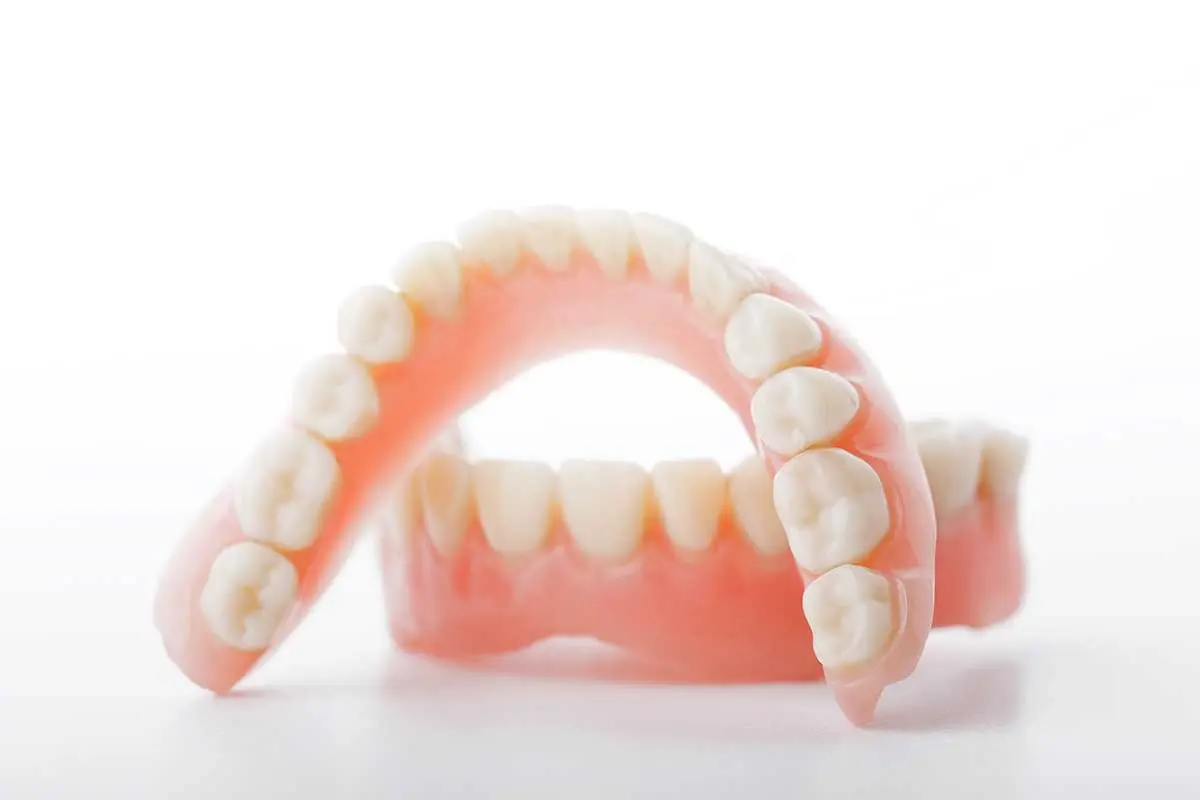
Dentures are removable appliances that replace multiple missing teeth or an entire arch.
Potential advantages include:
- No implant surgery
- Often lower initial treatment cost
- Can replace many teeth
- Removable for cleaning
Potential disadvantages include:
- May move during chewing
- Require periodic adjustment
- Can feel bulky for some patients
- Don’t provide the same type of jawbone stimulation as implants
Implant-supported dentures
These use implants to help stabilize a removable denture.
Potential advantages include:
- Improved stability
- Less movement
- Removable for cleaning
- May provide better chewing confidence
Fixed implant restorations
These may include individual implant crowns or fixed full-arch restorations.
Potential advantages include:
- Fixed in place
- No daily denture removal
- Can provide stable chewing function
- Can closely resemble natural teeth
However, fixed implant solutions generally require adequate planning, surgical treatment, and maintenance.
What If a Senior Has No Teeth?
Complete tooth loss doesn’t automatically eliminate implant options.
For someone without natural teeth, treatment may involve:
- Complete dentures
- Implant-supported overdentures
- Fixed implant-supported bridges
- Full-arch implant treatment
The best option depends on bone availability, health, budget, expectations, and ability to maintain the restoration.
NIDCR reports that approximately 15% of adults 65 and older have no remaining natural teeth, demonstrating the continuing need for effective full-arch tooth-replacement options.
What Is the Dental Implant Process for Seniors?
Although treatment plans differ, the process generally involves several stages.
Step 1: Consultation
Your dentist reviews your dental and medical history and discusses your goals.
Step 2: Comprehensive examination
Your gums, remaining teeth, bite, and jawbone are evaluated.
Step 3: Diagnostic imaging
X-rays or 3D imaging may be used to evaluate bone and surrounding anatomy.
Step 4: Preparation
If you have gum disease, infection, or insufficient bone, those issues may need to be addressed first.
Step 5: Implant placement
The implant is surgically positioned in the jawbone.
Step 6: Healing
The implant needs time to integrate with the surrounding bone.
Step 7: Restoration
After appropriate healing, a crown, bridge, or denture can be attached.
The timeline varies considerably. A straightforward single-tooth case may involve fewer steps than a patient requiring extractions, bone grafting, or full-arch reconstruction.
How Long Does Recovery Take?
Recovery depends on the procedure.
After implant surgery, you may experience:
- Swelling
- Tenderness
- Mild bleeding
- Bruising
- Temporary discomfort
Your dentist will provide specific postoperative instructions.
Older adults shouldn’t assume they will heal at the same rate as another patient. Individual health, medications, nutrition, smoking, bone quality, and the complexity of the procedure can all influence recovery.
Follow your dental team’s instructions carefully, particularly regarding medications, diet, oral hygiene, and activity.
Is Dry Mouth a Concern for Seniors With Dental Implants?
It can be.
The ADA reports that dry mouth affects approximately 30% of people over age 65 and up to 40% of people over age 80, with medications being a major contributing factor.
Dry mouth can increase the risk of cavities and other oral problems.
If you regularly experience:
- A dry or sticky feeling
- Difficulty swallowing dry foods
- Frequent thirst
- Burning sensations
- Cracked lips
- Difficulty speaking for long periods
Tell your dentist.
Managing dry mouth can be an important part of protecting your remaining teeth and implant restoration.
How Much Do Dental Implants Cost for Seniors?
Dental implant costs vary significantly throughout the United States.
There isn’t a single national price because the final cost can depend on:
- Number of implants
- Type of restoration
- Bone grafting
- Tooth extraction
- Imaging
- Sedation
- Laboratory fees
- Dentist or oral surgeon fees
- Geographic location
- Insurance benefits
- Financing arrangements
Medicare generally doesn’t function like comprehensive traditional dental insurance, so seniors should ask about exactly what their Medicare Advantage or supplemental plan covers, if applicable.
Before treatment, request a written estimate that separates surgical, restorative, laboratory, and additional procedure costs.
How Can Seniors Protect Their Dental Implants?
Getting an implant is only the beginning.
Long-term maintenance matters.
Brush regularly
Clean your teeth and implant restoration as your dentist recommends.
Clean between teeth
Your dentist can recommend floss, interdental brushes, water flossers, or other tools appropriate for your implant.
Attend regular dental appointments.
Professional monitoring can help identify problems before they become more serious.
Manage gum disease
If you have a history of periodontal disease, maintaining gum health is especially important.
Avoid tobacco
Smoking can negatively affect oral health and healing.
Report unusual symptoms
Contact your Orlando dentist if you notice:
- Implant movement
- Persistent bleeding
- Swelling
- Pain
- Changes in your bite
- Gum recession
- Difficulty chewing
Don’t treat an implant as something you can simply forget about after placement.
Are Dental Implants Worth Considering for Seniors?
For the right patient, dental implants can offer meaningful benefits.
They can replace individual missing teeth, stabilize dentures, restore chewing function, and provide a fixed alternative to removable tooth replacement.
But implants aren’t automatically the best choice.
A senior who has significant medical concerns, uncontrolled periodontal disease, inadequate bone, or difficulty maintaining oral hygiene may need additional treatment or a different restoration.
That’s why the best decision begins with a personalized evaluation—not an advertisement or a one-size-fits-all recommendation.
Questions Seniors Should Ask Before Getting Implants
Before committing to treatment, consider asking:
- Am I medically and dentally a good candidate for implants?
- Do I have enough bone for implant placement?
- Will I need a bone graft?
- Is my gum disease under control?
- How will my medications affect treatment?
- Which type of implant restoration is best for me?
- How long should my complete treatment take?
- What will my total estimated cost be?
- What happens if an implant doesn’t integrate properly?
- What maintenance will I need after treatment?
A good implant consultation should give you clear answers, not pressure you into deciding immediately.
Conclusion
Age alone does not determine whether dental implants are appropriate for an older adult. Factors such as gum health, jawbone density, medical conditions, medications, oral hygiene, and healing ability matter more when evaluating implant candidacy. With proper planning and appropriate follow-up care, many seniors can benefit from implant-supported tooth replacement that improves chewing function and daily comfort.
At John E. Russo, DMD Family and Cosmetic Dentistry, Dr. John E. Russo can evaluate your oral health and discuss tooth-replacement options based on your individual needs. Depending on your situation, treatment may include individual dental implants, implant-supported dentures, or other restorative solutions.
Visit our dental practice if you are considering dental implants or need to replace missing teeth. Schedule an appointment with Dr. John E. Russo to discuss your options and develop a treatment approach that supports your long-term oral health and everyday needs.
Frequently Asked Questions
1. Are dental implants safe for seniors?
Dental implants can be appropriate for many older adults, but candidacy depends on individual health and oral conditions. Our dentist should review your medical history, medications, bone health, gum health, and ability to maintain the restoration before treatment.
2. What is the oldest age for getting dental implants?
There is no universal maximum age for dental implants. Age alone isn’t usually the deciding factor. Overall health, bone quality, gum condition, healing ability, and oral hygiene are more important considerations.
3. Can seniors get implants if they have bone loss?
Yes, in some cases. Bone grafting, ridge augmentation, or other procedures may help create a suitable foundation for implant placement. Our dentist will use an examination and appropriate imaging to determine whether additional bone is needed.
4. Are implants better than dentures for older adults?
It depends on the individual. Implants may provide greater stability and can support fixed or removable restorations, while conventional dentures avoid implant surgery and may be more appropriate for certain patients. Our dentist can compare the options based on your health, goals, and budget.
5. How long can dental implants last in seniors?
Dental implants are intended as a long-term tooth-replacement solution. Still, their longevity depends on factors such as oral hygiene, gum health, bite forces, smoking, overall health, and professional maintenance. The restoration attached to the implant may require repair or replacement over time.