
Removing Troubled Teeth for Better Oral Health in Orlando
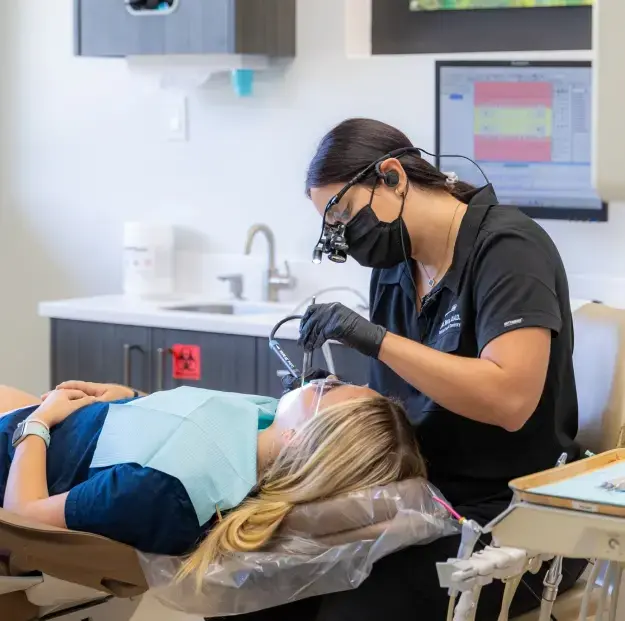
Tooth extractions are one of the most commonly performed dental procedures, and in experienced hands, they are far more straightforward than most patients expect. Dr. John E. Russo has performed hundreds of extractions for Orlando patients over nearly three decades — taking a gentle, methodical approach that prioritizes your comfort at every step. Whether you need a simple extraction, a troublesome wisdom tooth removed, or a damaged tooth, Dr. Russo will walk you through the entire process before anything begins.
After a thorough evaluation, he will create a personalized treatment plan that addresses not only the extraction itself but also your options for replacing the tooth — so you leave with a clear picture of the path forward for your smile.
Request an Appointment

Why Choose Dr. John E. Russo, DMD, for Tooth Extractions in Orlando
Nearly three decades of experience, advanced comfort technology, and a genuinely caring team make all the difference when you need a tooth removed. Dr. Russo and his staff go out of their way to ensure every extraction patient in Orlando feels informed, comfortable, and well taken care of — from the first consultation to full recovery.
Painless Anesthesia With the Wand
We use The Wand, a computer-controlled system that delivers anesthesia gently and precisely—minimizing discomfort compared to traditional injections.
Sedation Options Available
For added comfort, we offer oral sedation to help you feel relaxed throughout your procedure.
Insurance & Financing
We accept most major insurance plans and handle claims for you. Flexible financing options are also available to make your care affordable.
Why Do You Need a Tooth Extraction
Here are some common reasons for needing an extraction:
- Wisdom teeth that pose a risk to the adjacent teeth
- As a solution for overcrowding, especially before orthodontic treatment
- When advanced gum disease has caused the teeth to become loose
- Before getting dentures
- When you call an emergency dentist in Orlando to treat an injury or accident
- For a severe cavity or fracture that can’t be repaired with a filling or crown
What is the Tooth Extraction Procedure Like?
Every extraction at Dr. Russo's Orlando office begins the same way — with complete numbing of the area using The Wand, so you feel no pain throughout the procedure. You may feel some pressure, but discomfort is kept to an absolute minimum. From there, the process depends on the type of extraction needed.
Post-Operative and Aftercare Guidelines
You may experience mild to moderate tenderness and slight bleeding for a day or two, with most discomfort improving within the first 24 hours.
To support proper healing, follow your aftercare instructions closely and contact us with any concerns. While care is personalized, here are some general tips after an extraction:
- Take 1 or 2 days off to rest.
- Don’t smoke, spit, or use a straw while the area is healing.
- Take pain medication as directed.
- For swelling and inflammation, you can gently apply an ice pack in 10-minute intervals to the outside of your lip or cheek.
- Avoid carbonated beverages and hard or crunchy foods.
- Keep the area clean, gently and carefully. Continue to brush twice a day, taking care not to get your bristles directly into the socket. After the first 24 hours, gently rinse out your mouth with salt water a few times a day.
Schedule Your Tooth Extraction Consultation in Orlando
We understand that the idea of a tooth extraction can feel daunting — but with Dr. John E. Russo, you are in experienced, caring hands. Whether you are dealing with pain right now or have been putting off a procedure you know you need, the best time to act is today. The sooner the troubled tooth is addressed, the sooner you can get back to feeling like yourself.
Serving Downtown Orlando, Winter Park, Lake Eola Heights, Thornton Park, Baldwin Park, Conway & surrounding communities