By John E. Russo, DMD | October 19, 2026
Have you ever looked at a damaged tooth and wondered, “Do I need a filling, a crown, or something more?” Maybe you have a cracked tooth that makes chewing uncomfortable, an old filling that no longer looks or feels right, or a missing tooth that has changed the way you eat. If so, restorative dentistry may offer several ways to repair your teeth and restore everyday function.
Restorative dentistry focuses on repairing or replacing teeth that have been damaged, decayed, weakened, or lost. Unlike cosmetic dentistry, which primarily focuses on appearance, restorative treatment is centered on restoring oral health and function—although many modern restorations can also provide natural-looking cosmetic results.
For patients in Orlando, understanding the available options can make it easier to have a productive conversation with their dentist. At John E. Russo, DMD Family and Cosmetic Dentistry, Dr. John E. Russo can evaluate your teeth and recommend treatment based on your oral health, tooth structure, bite, and individual needs.
What Is Restorative Dentistry?
Restorative dentistry includes procedures that repair damaged or decayed teeth and replace missing teeth.
The National Institute of Dental and Craniofacial Research (NIDCR) describes restorative dental materials as materials used to repair or replace damaged, decayed, or missing tooth surfaces. These include composite resins, ceramics, glass ionomer materials, metals, and metal alloys.
The treatment you need depends largely on how much healthy tooth structure remains.
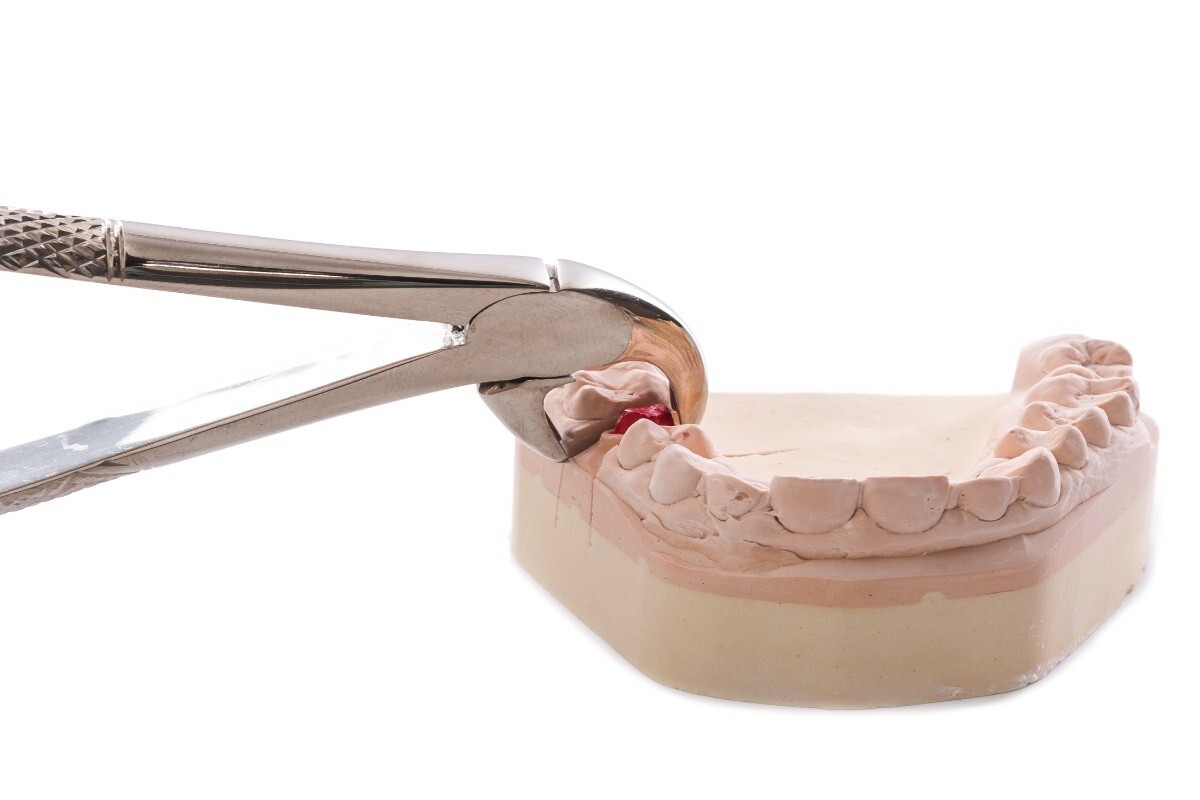
A small cavity may require only a filling. A tooth with extensive structural damage may need a crown. A tooth that cannot be saved may require extraction followed by a replacement such as an implant-supported restoration, bridge, or denture.
Why Is Restorative Dentistry So Important?
Tooth decay remains one of the most common chronic diseases affecting Americans.
According to NIDDK, nearly 90% of adults ages 20 to 64 have experienced tooth decay in their permanent teeth. From 2017 to March 2020, about 1 in 5 adults ages 20 to 64 had untreated tooth decay.
The CDC’s national surveillance data similarly found that nearly 21% of adults ages 20 to 64 had at least one permanent tooth with untreated decay. Among adults with at least one decayed, missing, or filled tooth, the average was 0.7 untreated decayed teeth, 6.0 filled teeth, and 2.0 teeth missing because of disease.
These numbers show why restorative dental care remains important even when a person does not experience obvious dental pain.
1. Dental Fillings
Dental fillings are among the most common restorative treatments.
When decay creates a cavity, your dentist removes the damaged tooth structure and fills the resulting space with an appropriate material. NIDCR explains that fillings are commonly used to repair cavities and that materials can include tooth-colored composite resin and amalgam.
Tooth-colored composite fillings are particularly popular when patients want a restoration that blends with surrounding enamel.
A filling may be appropriate when decay is limited, and enough healthy tooth structure remains to support the restoration. Treating a cavity before it becomes extensive can also help prevent the problem from progressing deeper into the tooth.
Early decay may sometimes be stopped or reversed before a cavity forms, but once a true cavity develops, restorative treatment may be necessary.
2. Dental Crowns
A dental crown, sometimes called a cap, covers and protects a weakened or extensively damaged tooth.
Crowns may be considered when a tooth has experienced significant decay, a large fracture, extensive structural loss, or has undergone root canal treatment.
NIDCR notes that crowns can repair badly broken-down teeth and may be made from materials such as porcelain or metal.
Modern tooth-colored ceramic restorations can provide an aesthetic appearance while restoring the tooth’s shape and function.
A crown differs from a filling because it provides broader coverage. If too much tooth structure is lost for a conventional filling to provide adequate support, a crown may be a better restorative option.
3. Root Canal Therapy
Sometimes damage or decay extends into the pulp—the living tissue inside a tooth.
When the pulp becomes inflamed or infected, root canal treatment may be recommended to remove the diseased tissue, clean the inside of the tooth, and seal it.
This can save a tooth that might otherwise require extraction.
Deep tooth decay is one reason timely restorative care matters. NIDCR explains that untreated decay can eventually cause pain, infection, and tooth loss.
After root canal therapy, the tooth may require a crown or another restoration depending on how much structure remains and where the tooth is located.
4. Dental Bridges
A dental bridge can replace one or more missing teeth by using neighboring teeth or other supporting structures to hold a replacement tooth in place.
Bridges can restore part of a patient’s ability to chew and can help fill a visible gap created by tooth loss.
Because treatment options vary by location and number of missing teeth, a dentist must evaluate the surrounding teeth, gums, bite, and available support before recommending a bridge.
NIDCR identifies bridges among indirect dental restorations used for more substantial damage or to replace missing tooth surfaces.
5. Dental Implants
Dental implants offer another way to replace missing teeth.
Dentists place an implant into the jawbone to support a replacement tooth or other dental restoration. Unlike a conventional bridge, an implant does not require support from an adjacent natural tooth.
Tooth loss remains common enough that replacement is an important part of restorative dentistry.
NIDDK reports that adults ages 20 to 64 had an average of about 26 of 32 teeth remaining in the latest NHANES oral-health examination covering 2017–March 2020. About 2% of adults in this age group had no natural teeth remaining.
Implant treatment is not automatically appropriate for every patient. Bone volume, gum health, medical considerations, oral hygiene, and the missing tooth’s location can all influence treatment planning.
6. Dentures
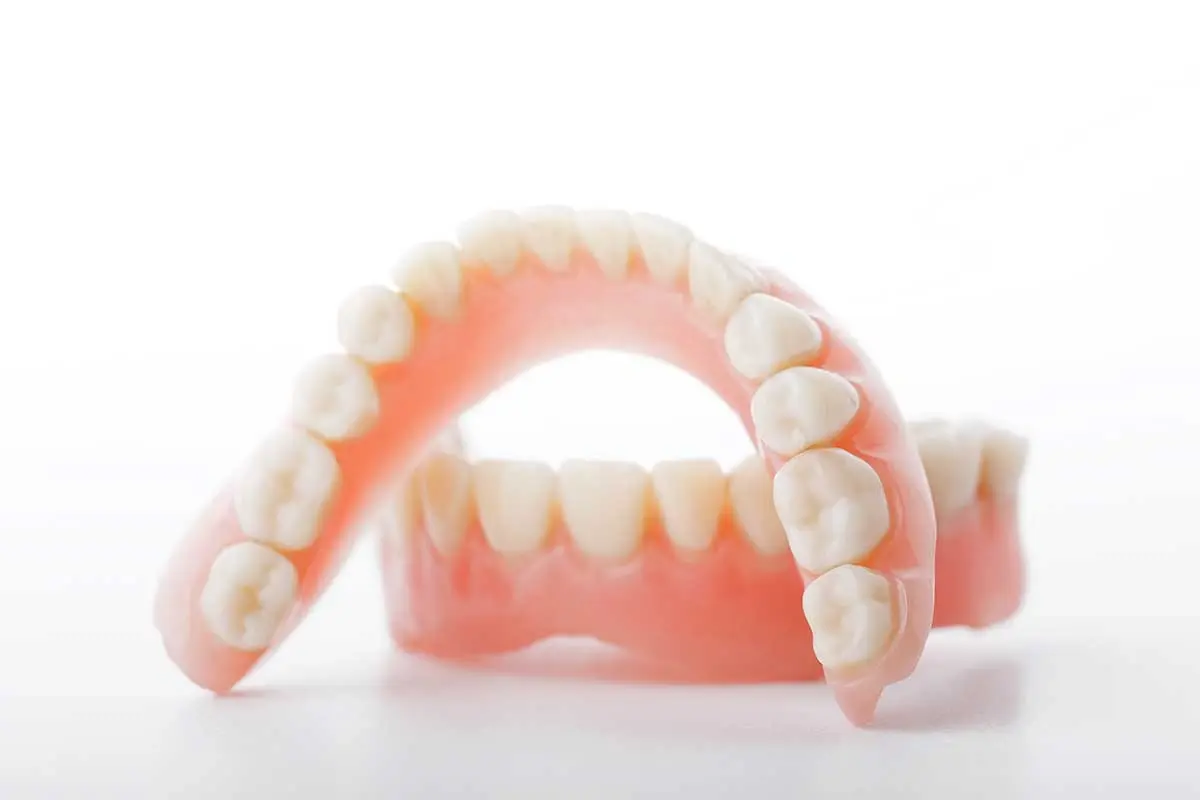
Dentures are removable dental appliances that replace multiple missing teeth or, in some cases, an entire arch.
Depending on how many teeth remain, a patient may receive a partial denture or complete denture.
Restoring missing teeth can help with chewing, speech, and overall oral function. Dentures can also restore the appearance of areas affected by significant tooth loss.
However, dentures are only one replacement option. Your dentist can compare dentures with bridges and implant-supported solutions based on your oral health and individual circumstances.
7. Partial Dentures
A partial denture may be considered when some natural teeth remain, but several teeth are missing.
The appliance replaces missing teeth while using remaining teeth and supporting oral structures for stability.
Partial dentures can be especially useful when multiple teeth are missing in different areas of the mouth, and a fixed restoration isn’t the best choice.
The design depends on the location of missing teeth, the health of the remaining teeth, gum condition, and the patient’s functional needs.
8. Dental Bonding and Tooth-Colored Restorations
Although bonding is often associated with cosmetic dentistry, tooth-colored composite materials can also serve restorative purposes.
Composite resin can repair certain areas of damaged tooth structure while matching the color of natural enamel.
For example, a dentist may use a tooth-colored restoration to repair a small chipped area or restore a tooth affected by decay.
NIDCR explains that composite resins and ceramics can match natural tooth shades and are used in restorative dentistry.
The right material depends on the tooth’s location, the extent of damage, chewing forces, aesthetics, and other clinical factors.
9. Inlays and Onlays
Some damaged teeth need more than a filling but not necessarily a full crown.
In these situations, an inlay or onlay may be considered.
These restorations are custom-made to fit a prepared portion of the tooth. An inlay generally fits within the tooth’s contours, while an onlay can extend over one or more cusps.
They can provide an option for restoring teeth with more substantial damage while preserving appropriate healthy tooth structure.
NIDCR notes that indirect restorations are custom-made and may involve digital design, milling, or 3D-printing technologies.
10. Restorations for Worn or Broken Teeth
Not every restorative problem begins with tooth decay.
Teeth can also become worn, cracked, fractured, or otherwise damaged from injury, grinding, clenching, aging, or excessive chewing forces.
The treatment depends on the severity and location of the damage.
A small chip may be repaired with bonding. A more significantly weakened tooth may require a crown or another restoration. A severely damaged tooth may need root canal therapy or tooth extractions if it cannot be predictably restored.
That is why restorative dentistry should start with an examination rather than assuming a particular procedure is necessary.
How Does a Dentist Decide Which Restorative Treatment You Need?
No single restorative treatment works for every damaged tooth.
During an examination, Dr. John E. Russo may consider:
- How much healthy tooth structure remains
- The size and location of decay
- Whether the tooth is cracked or fractured
- Whether the pulp is affected
- The condition of your gums
- Your bite and chewing forces
- Whether neighboring teeth are healthy
- The number and location of missing teeth
- Your oral hygiene
- Your functional and aesthetic goals
Dental X-rays or other diagnostic images may also be appropriate.
The objective is to select a restoration that addresses the underlying problem while supporting the tooth’s function and long-term oral health.
Does Restorative Dentistry Also Improve Appearance?
It can.
Modern restorative materials allow dentists to repair teeth while producing natural-looking results.
A tooth-colored filling can blend with surrounding enamel. A ceramic crown can be designed to complement adjacent teeth. A bridge or implant restoration can fill a visible gap.
NIDCR notes that contemporary restorative materials include ceramics and composite resins that can be matched to the natural shade of teeth.
This overlap between restorative and cosmetic dentistry is particularly useful for patients who want their repaired teeth to look natural.
However, appearance should not replace function and oral health as the primary considerations when treating damaged teeth.
Why Treating Dental Problems Early Matters
A small dental problem can become more complicated when treatment is delayed.
Tooth decay may progress from enamel into deeper layers of the tooth. If infection reaches the pulp, you may need root canal therapy. If structural damage becomes severe, saving the tooth may become more difficult.
NIDCR explains that untreated tooth decay can lead to pain, infection, and tooth loss.
That does not mean every cavity will inevitably become a serious problem. It does mean that regular dental examinations can give your dentist an opportunity to identify problems while they are still manageable.
Restorative Dentistry in Orlando
If you live in Orlando and have a damaged, decayed, worn, or missing tooth, the first step is to find out what’s happening.
At John E. Russo, DMD Family and Cosmetic Dentistry, Dr. John E. Russo can evaluate your oral health and discuss restorative options based on your individual circumstances.
Whether you need a simple filling, a crown, root canal therapy, a bridge, a dental implant, dentures, or another restoration, treatment should be planned around the condition of your teeth and your long-term oral-health goals.
The practice is located in Orlando and provides restorative and other dental services for patients seeking comprehensive care.
Conclusion
Restorative dentistry includes much more than dental fillings. Depending on your needs, treatment may involve fillings, crowns, root canal therapy, bridges, dental implants, dentures, partial dentures, bonding, inlays, onlays, or other restorations.
The right treatment depends on how much tooth structure remains, the health of your gums and supporting tissues, the condition of neighboring teeth, your bite, and whether teeth need repair or replacement.
With nearly 90% of U.S. adults ages 20 to 64 having experienced tooth decay and nearly 21% having untreated decay in recent national data, restorative dental care continues to play an important role in maintaining oral health.
If you have a broken, painful, decayed, worn, or missing tooth, do not assume you need a particular procedure before receiving an examination. Dr. John E. Russo can assess your condition and explain which restorative options may be appropriate for you.
Visit our dental practice in Orlando. Book now to schedule your appointment with our team.
Frequently Asked Questions
1. What dental services does John E. Russo, DMD Family and Cosmetic Dentistry provide?
Our practice provides a range of dental services, including preventive, restorative, cosmetic, emergency, and other treatments based on each patient’s individual oral-health needs.
2. How often should I have a dental checkup?
The appropriate frequency depends on your oral health, dental history, risk factors, and treatment needs. Our dentist can recommend an appropriate schedule for you.
3. Can I visit the practice if I have a broken or damaged tooth?
Yes. Contact our dental office and explain what happened. The team can help determine how quickly you should be evaluated and what type of appointment may be appropriate.
4. Does the practice offer treatment for missing teeth?
Treatment options for missing teeth may include bridges, dentures, dental implants, or other restorative solutions. The best option depends on your oral-health circumstances.
5. How can I schedule an appointment with Dr. John E. Russo?
Contact John E. Russo, DMD, Family and Cosmetic Dentistry in Orlando, to request an appointment and discuss your dental concerns.