By John E. Russo, DMD | July 15, 2026
If you’re planning to get a dental implant, one of the first questions you may ask is, “How soon can I go back to work?“ Whether you work in an office, teach in a classroom, or have a physically demanding job, knowing what to expect after implant surgery can help you prepare for a smoother recovery.
The good news is that many patients return to desk-based work within one to three days after a straightforward dental implant procedure. However, recovery varies depending on the number of implants placed, whether bone grafting was performed, your overall health, and the physical demands of your job. Your dentist or oral surgeon will give you recommendations based on your individual case.
Dental implants are among the most predictable tooth replacement options available today. A large registry study of 158,824 dental implants reported an overall implant survival rate of 97.79%, with most failures occurring during the first year of healing.
Understanding what happens during recovery—and when it’s safe to resume work—can help you protect your investment and support successful healing.
What Happens During Dental Implant Surgery?
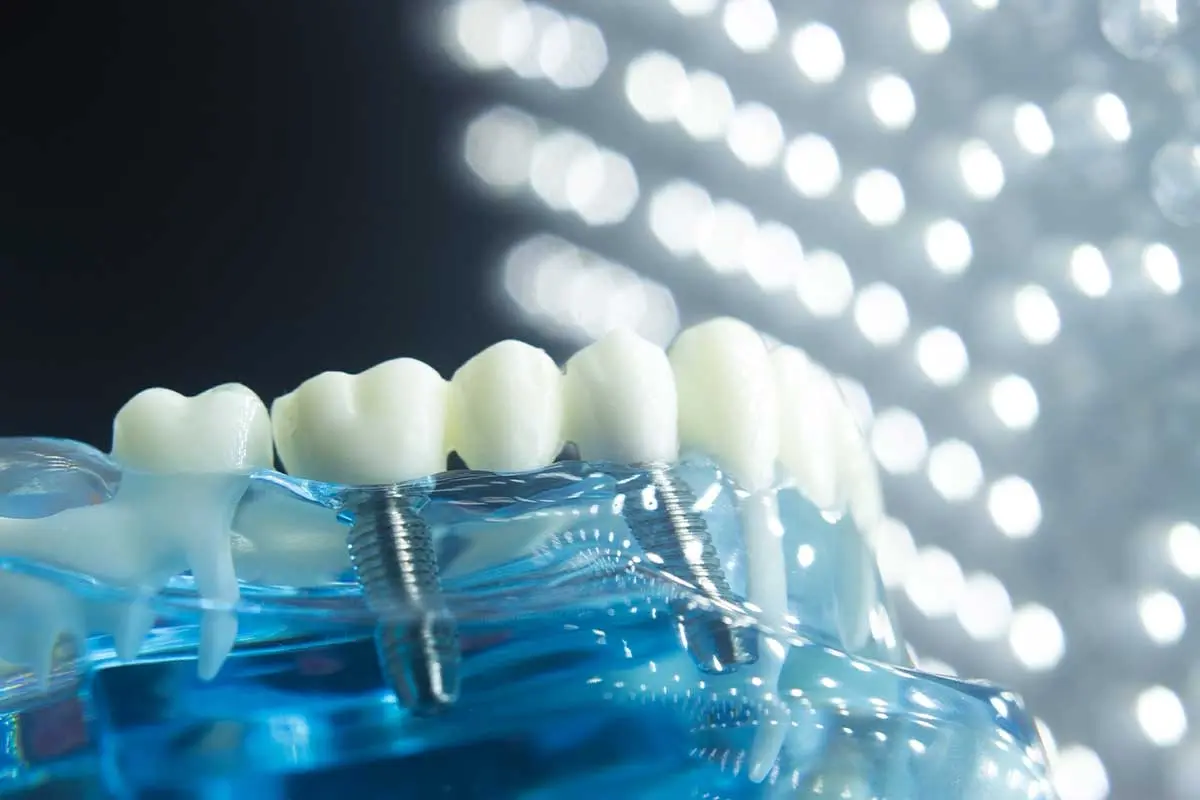
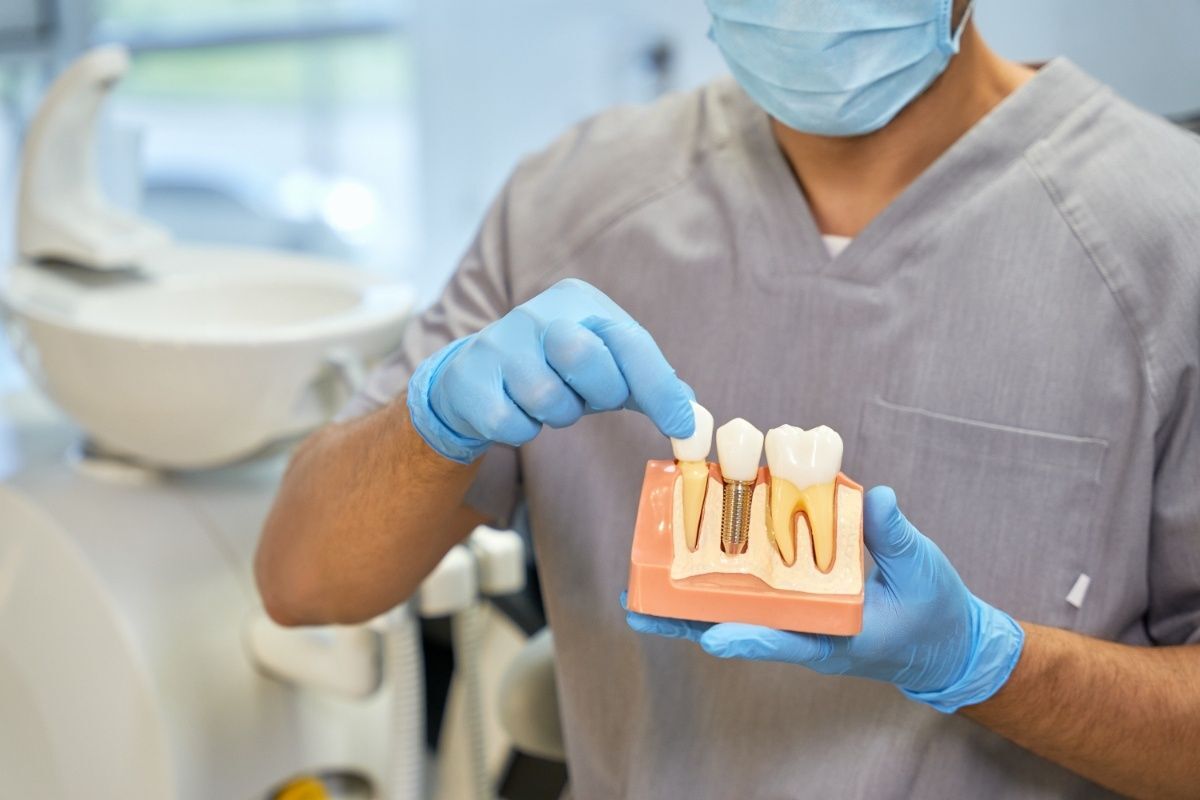
A dental implant is a small titanium or ceramic post placed into the jawbone to replace the root of a missing tooth. Over the next several months, the implant gradually bonds with the surrounding bone through a natural healing process called osseointegration.
Depending on your treatment plan, your procedure may involve:
- A single dental implant
- Multiple dental implants
- Tooth extraction and immediate implant placement
- Bone grafting
- Sinus augmentation (for some upper jaw implants)
Because every procedure is different, recovery timelines can vary from person to person.
Can You Return to Work the Next Day?
For many patients, yes—especially after placement of a single implant without additional procedures.
Your return to work depends on factors such as:
- The complexity of the surgery
- Whether sedation was used
- Your pain and swelling
- Your overall health
- The type of work you perform
Office or Desk Jobs
If your work is primarily sedentary, you may feel comfortable returning within 1–3 days, provided your dentist agrees.
You may experience:
- Mild soreness
- Minor swelling
- Slight difficulty chewing
- Temporary numbness immediately after the procedure
These symptoms usually improve during the first few days.
Physically Demanding Jobs
If your job involves:
- Heavy lifting
- Construction work
- Warehouse duties
- Landscaping
- Intense physical activity
Your local Orlando dentist may recommend taking additional time off. Strenuous activity shortly after surgery can increase bleeding, swelling, and discomfort, which may interfere with healing.
Factors That Affect Your Recovery
Every patient’s healing process is unique. Several factors influence how quickly you can resume normal activities.
- Number of Implants Placed: A single implant often involves a shorter recovery than full-arch implant treatment or multiple implants.
- Bone Grafting: If bone grafting is performed, healing may take longer because both the graft and implant sites need to recover.
- Overall Health: Conditions such as uncontrolled diabetes, smoking, and poor oral hygiene may slow healing and increase the risk of complications.
- Following Post-Operative Instructions: Patients who carefully follow their dentist’s instructions—including taking medications as directed and avoiding unnecessary pressure on the implant site—generally experience smoother recoveries.
What to Expect During the First Week
Most patients notice gradual improvement over the first several days.
First 24 Hours
You may experience:
- Mild bleeding
- Swelling
- Tenderness
- Numbness from local anesthesia
Rest, hydration, and avoiding strenuous activity are typically recommended during this period.
Days 2–3
Swelling may peak before beginning to improve. Cold compresses, prescribed medications, and soft foods can help keep you comfortable.
Days 4–7
Many patients report significantly less discomfort and begin returning to their normal daily routines. However, complete healing beneath the gums continues for several months while the implant integrates with the jawbone.
Tips for Returning to Work Comfortably
Going back to work after dental implant surgery is easier when you give your body time to heal. The following tips can help you recover more comfortably while reducing the risk of complications.
1. Plan Your Procedure Wisely
If possible, schedule your implant surgery before a weekend or on a day that allows you a few days of recovery before returning to work. This can help minimize missed work while giving your mouth time to heal.
2. Follow Your Dentist’s Instructions
Every implant procedure is unique. Your dentist may recommend:
- Taking prescribed medications as directed
- Using ice packs during the first 24 hours
- Avoiding smoking and tobacco products
- Keeping the surgical area clean
- Attending follow-up appointments
Following these instructions helps support proper healing.
3. Eat Soft, Nutritious Foods
Your mouth may be sensitive during the first several days. Soft foods reduce pressure on the implant site while providing the nutrients your body needs for healing.
Good choices include:
- Yogurt
- Scrambled eggs
- Mashed potatoes
- Oatmeal
- Smooth soups
- Applesauce
- Cottage cheese
- Protein smoothies (avoid using a straw unless your dentist says it’s okay)
Avoid:
- Hard candies
- Nuts
- Popcorn
- Crunchy chips
- Sticky foods
- Extremely hot foods and beverages during the initial healing period
4. Stay Hydrated
Drinking plenty of water supports healing and helps keep your mouth clean. Avoid alcohol during the early recovery period, especially if you’re taking prescription medications.
5. Limit Physical Activity
Even if you feel well, avoid:
- Heavy lifting
- Vigorous exercise
- High-impact sports
Your dentist will let you know when it’s safe to return to your normal exercise routine.
Signs You’re Healing Normally
Most patients experience mild symptoms that gradually improve over several days.
Normal recovery may include:
- Mild swelling
- Minor bruising
- Tenderness around the implant
- Slight bleeding during the first day
- Temporary sensitivity while chewing
These symptoms usually become less noticeable each day.
When Should You Call Your Dentist?
Although complications are uncommon, contact your dental office promptly if you experience:
- Heavy bleeding that doesn’t stop
- Increasing swelling after several days
- Severe or worsening pain
- Fever
- Pus or drainage around the implant
- Persistent bad taste in your mouth
- An implant that feels loose
Early evaluation allows your dentist to address problems before they become more serious.
Long-Term Success of Dental Implants
Dental implants are designed to be a long-lasting tooth replacement option. Their success depends on several factors, including:
- Excellent oral hygiene
- Healthy gums
- Routine dental checkups
- Avoiding tobacco use
- Managing chronic medical conditions
- Wearing a nightguard if you grind your teeth
Regular professional cleanings and dental examinations help monitor the implant and surrounding tissues, supporting long-term oral health.
How to Protect Your Investment
A dental implant is an investment in your smile and overall oral function. To help protect it:
- Brush twice daily with a soft-bristled toothbrush.
- Clean between your teeth and around the implant every day.
- Visit your dentist for routine maintenance.
- Avoid chewing ice or other very hard objects.
- Wear a mouthguard during contact sports.
- Follow your dentist’s recommendations for ongoing care.
With consistent maintenance, dental implants in Orlando can provide reliable function and a natural-looking smile for many years.
Conclusion
Returning to work after getting dental implants depends on the complexity of your procedure, your overall health, and the type of work you do. Many patients with desk jobs feel ready to return within a few days, while those with physically demanding occupations may need additional recovery time.
The key to a successful recovery is following your dentist’s post-operative instructions, maintaining good oral hygiene, eating a nutritious soft-food diet during the initial healing period, and attending all follow-up visits. By giving your implant the time it needs to heal properly, you can help ensure long-term stability and enjoy the benefits of a healthy, functional smile.
If you’re considering dental implants and have concerns about recovery or returning to work, schedule a consultation with your local implant dentist. They can provide personalized guidance based on your treatment plan and lifestyle.
Frequently Asked Questions
1. Can I go to work the day after getting a dental implant?
Many patients with office-based jobs can return to work within one to three days after a straightforward implant procedure. Recovery varies depending on the complexity of the surgery and your dentist’s recommendations.
2. How long does swelling last after dental implant surgery?
Swelling typically peaks within the first 48 to 72 hours and gradually improves over the following several days. Mild tenderness may continue during the early healing phase.
3. When can I exercise after getting dental implants?
Light daily activities are usually acceptable, but strenuous exercise and heavy lifting should generally be postponed until your dentist advises that it is safe to resume them.
4. What foods should I eat after dental implant surgery?
Soft, nutritious foods such as yogurt, mashed potatoes, oatmeal, scrambled eggs, smoothies, soups, and applesauce are commonly recommended during the first few days of recovery.
5. How can I help my dental implant heal successfully?
Follow your dentist’s instructions, maintain excellent oral hygiene, avoid smoking, attend follow-up appointments, and avoid placing unnecessary pressure on the implant during the healing process.