
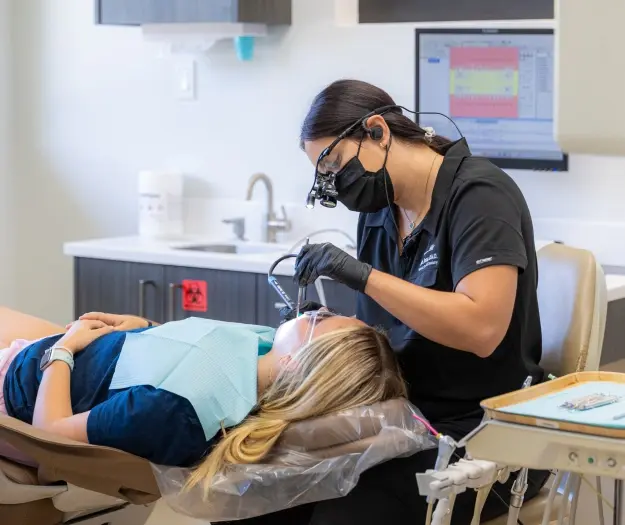
Dentist performing emergency dental treatment on patient in Orlando dental office.

Schedule Your Consultation Today

Toothbrush icon
When you're in pain, knowing what to expect can make all the difference. As your emergency dentist in Orlando, our priority is getting you out of pain quickly while protecting your long-term oral health.


01

Call Us Right Away

02

Visual Exam

03

X-Rays & Diagnostic Imaging

04

Diagnosis & Treatment


CONSULT

This is the first step in the full arch process. During this appointment, you will meet with your Dr. Kurt O. Bally DMD FICOI to discuss your needs and options for dental implants. The consultation will typically take about an hour. This first and free visit is $525 value.
STEP 1
STEP 2

RECORDS

Your dentist will take a series of records, including dental x-rays, 3D scans, and photographs. These records will be used to create a treatment plan and to fabricate your dental implants.

PRE-SURGICAL CONSULT

This appointment is held before the surgery to discuss the risks and benefits of the procedure, as well as the recovery process. You will also have a chance to ask any questions you may have.
STEP 3
STEP 4

SURGERY

This is the procedure where the implants are placed into your jawbone. The surgery typically takes about 2 hours per jaw and is done safely with oral anesthesia. All patients leave with their new temporary teeth on the day of the surgery and will return within 1-2 weeks to have their first post-op visit and receive their fist implant prototype teeth. It is important to remain on a very soft diet after surgery and before receiving your first prototype.

PROTOTYPES

1-2 weeks after your surgery you will return to check your healing and receive your first set of implant prototype teeth that will be attached directly to your implants. We allow up to 3 versions of teeth during the healing process to ensure the dentist and patient is happy with the look and feel. As your implants heal your dentist will create a series of prototypes for your implant bridge. These prototypes will be used to test the fit and function of the bridge before it is permanently placed.
STEP 5
STEP 6

HEALING

The implants will need to heal for 4-6 months before the next step can be taken. Dr. Bally will also provide a night guard to help prevent excess pressure from going to your implants. As you heal you will remain on a soft diet.

PROTOTYPING AND VERIFICATION

Once the implants have healed, your dentist will create a final prototype of your dental bridge. This prototype will be verified to ensure that it is the correct size, shape, and color. Before authorizing the fabrication of your new zirconia implant smile.
STEP 7
STEP 8

DELIVERY

This is the appointment where your permanent dental bridge is placed. The procedure typically takes about 1 hour. It's a truly rewarding visit for everyone.

POST-DELIVERY CONSULT AND DOCUMENTATION

This appointment is held after your new zirconia implant smile is installed and your final night guard is given and instructions to maintain your smile are discussed. Final pictures, X-rays and video mark the end of your zirconia implant smile journey.
STEP 9
STEP 10

MAINTENANCE

Your zirconia implant smile will need to be maintained on a regular basis to ensure that it continues to function properly. This may include cleaning, adjustments, and checkups.

Keep Your Regular Dental Appointments

Seeing Dr. Russo every six months for a dental checkup and cleaning is one of the most effective ways to protect your smile. While it may not seem like much, the truth is that these visits can stop problems in their tracks. With early detection of tooth decay, gum disease, oral cancer, and other serious dental issues, we can prevent nagging toothaches, infections, inflammation, and the potential for tooth loss. Keeping these appointments will help your smile to remain healthy and fully intact for years to come.

Keep Brushing and Flossing

Good oral hygiene habits at home are just as important as regular dental visits. Brushing twice a day for two minutes, flossing at least once a day before bed, and rinsing with an ADA-approved mouthwash are essential to ridding your mouth of cavity-causing bacteria. With regular morning and nighttime routines, you can safeguard your teeth and gums, protecting them against common issues that often require extensive restorative care to treat.

Be Mindful What You Eat

The foods you consume not only impact your waistline, but they also help or hinder your smile. When choosing sugars and starches, not only will you notice that you feel more tired and sluggish, but your pant size will likely increase, and your teeth and gums will be significantly impacted. Cavities and gum disease are real problems, and they can result in bone and tooth loss as well as the development of serious heart, brain, and other health conditions. Swapping these foods out for healthier alternatives such as leafy greens, lean proteins, fruits and vegetables, and low-fat dairy will help you enjoy stronger teeth and gums as well as a damage-free smile.

Wear a Mouthguard to Protect Your Teeth

Whether it is playing your favorite sport or grinding your teeth at night because of bruxism, customized mouthguards are essential. These oral appliances better protect teeth from wearing down and becoming seriously damaged. They are designed to be comfortable to wear and snug enough to remain in place during the big game or throughout the night.

With a customized mouthguard, you can expect to spend less time in the emergency dental office in Orlando and more time enjoying a healthier smile.

Use Tools to Open Packages, Not Your Teeth

How many times have you reached for a package and ripped it open with your teeth? It’s more convenient than finding a tool, right? Unfortunately, this mindset will only lead to serious problems. Tooth enamel may be strong, but it’s not unbreakable, which is why you are encouraged to never use your teeth as tools. Broken, fractured, and cracked teeth are just a few of the many potential injuries that can occur. Instead, spend the few extra minutes finding the scissors, pliers, or another tool to open the package or container and leave your pearly whites alone.

Toothaches

Is My Toothache a Dental Emergency?

Tooth pain can have any number of causes, and while some are relatively harmless – such as a piece of food that got stuck in your smile – it's better to err on the side of treating it like a potential emergency, especially if the pain is severe, lasts more than a day, or is accompanied by symptoms like swelling, fever, or fatigue. More often than not, a toothache is the result of tooth decay or infection, and quick action is needed if you want to stop your pain while also giving us the best chance of saving your tooth.

How You Should Handle a Toothache:

First, floss around the tooth to remove all food debris. Sometimes this is all it takes to stop the pain. If this doesn't work, make an emergency appointment immediately. While waiting, you can take an over-the-counter painkiller and use a cold compress to keep your discomfort under control.

How We Treat Toothaches:

We need to figure out what caused your tooth pain in the first place before we can suggest any kind of treatment. Possible solutions include fillings, root canal therapy, nightguards to protect the teeth from bruxism, and tooth extractions. When we do recommend a treatment, we'll make sure that you understand why it's being recommended.

Chipped Teeth

Is a Chipped Tooth a Dental Emergency?

A chipped tooth isn't quite as serious as a cracked tooth. You can usually wait a few days before having the tooth checked, but you don't want to ignore it for too long; we need to see how serious the damage actually is and make sure that there isn't a risk of infection.

How You Should Handle a Chipped Tooth:

Sometimes the part of the tooth that chips off can be saved, so find and store it if you can. Then rinse your mouth with water to chase away any bacteria that might be lingering near the damaged area. You can protect the rest of your mouth by covering the sharp edges of the tooth with sugarless gum or dental wax.

How We Treat Chipped Teeth:

Repairing a chipped tooth is a relatively simple matter. We can apply a small amount of filling material to the chipped area, then blend it so that it appears as if the tooth was never damaged at all. If there were multiple chips, you might want to consider getting dental veneers to hide them all.

Cracked Tooth

Is a Cracked Tooth a Dental Emergency?

The short answer is yes; a cracked tooth should always be treated like an emergency. Even if it is a small crack that isn't causing you any pain, the damage could run deeper than you can see, and it might have left the inside of the tooth exposed to harmful bacteria.

How You Should Handle a Cracked Tooth:

Gather any pieces of the tooth that have broken off and save them if you can. Rinse your mouth with water, then cover any sharp or rough edges with dental wax or sugarless gum. If the area around the cracked tooth is swollen, hold a cold compress over it.

How We Treat Cracked Teeth:

The traditional way to repair a cracked tooth is with a dental crown, although sometimes a filling can be used for more minor damage. We will only recommend having the tooth removed and replaced altogether if the damage is so bad that repairs are no longer possible.

Very Sensitive Teeth

Are Very Sensitive Teeth a Dental Emergency?

Tooth sensitivity to hot, cold, or sugary substances can be alarming and make eating or drinking more of a challenge. This symptom could indicate that your teeth's enamel has been compromised, and decay has started to set in. However, it is not necessarily a dental emergency all the time. Sometimes, teeth can feel sensitive because of wear and tear without the presence of decay. The only way to know which is true in your case is to have Dr. Russo take a look!

How You Should Handle Very Sensitive Teeth

As soon as you feel tooth sensitivity, monitor when it is triggered. Is it only when you have sugary foods or drinks? Is it getting worse over time? Paying attention and looking for patterns or trends, you can possibly see whether the issue merits an emergency visit or can wait until your next checkup/cleaning appointment.

How We Treat Very Sensitive Teeth

Treatment for this issue will vary depending on the cause. For decay, we'll remove the affected tooth structure and replace it likely with tooth-colored fillings, but dental crowns may be necessary.

Knocked-Out Tooth

Is My Knocked-Out Tooth a Dental Emergency?

When a tooth is knocked out from an injury, it is definitely considered an emergency situation. You have a very limited time that the tooth can successfully be re-implanted, so you need to contact our office immediately if this happens to you. In fact, you should arrive within an hour of your injury for the best chances of saving the tooth. Dr. Russo will be happy to help get your smile back on track.

How You Should Handle a Knocked-Out Tooth

When you pick up the tooth or touch it in any way, do not contaminate the root portion. Always handle the tooth by the crown or the part that is usually visible above the gumline. Gently rinse the tooth with clean water, and then try to place it back where it belongs. If you find this too difficult, you may put the tooth in some milk or hold it in between your lips and gums to keep it moist until you come in for your emergency appointment.

How We Treat Knocked-Out Teeth

If you have not already done so yourself, Dr. Russo will reposition the tooth within your arch. Then, he will use an oral appliance called a splint to secure it while the connective tissues heal. If we are unable to save your tooth, we can then go over your replacement choices, namely a bridge or implant.

Broken Denture

Is My Broken Denture a Dental Emergency?

Yes, a broken denture in Orlando is a dental emergency that requires seeing a dentist right away.

How you should handle a broken denture:

When faced with a broken denture, you'll want to avoid putting it back into your mouth. This can cause damage to your teeth and gums, resulting in further injury to your mouth.

How We Treat Broken Dentures:

The most common way to replace a broken denture is to simply replace it with a new one. However, if you'd rather look at your other options, which include dental bridges and dental implants, we'll be happy to discuss these with you during your visit.

Loose Permanent Tooth

Is a Loose Permanent Tooth a Dental Emergency?

Yes, a loose tooth in Orlando is a serious dental injury that should be treated immediately. Adults should not have loose permanent teeth. Children whose permanent teeth are fully erupted should also seek immediate attention if this happens.

How You Should Handle Loose Permanent Teeth:

While at home waiting for your appointment, avoid touching the tooth to prevent it from falling out of its socket. Instead, don't chew on that side of your mouth, and take an over-the-counter pain reliever if you feel any discomfort. Also, be careful when cleaning around the particular tooth.

How We Treat Loose Permanent Teeth:

Our dental team will immediately capture diagnostic images to determine the cause of your loose permanent tooth. If the culprit is gum disease, we'll need to administer periodontal therapy quickly to eliminate the bacteria and improve your gum health. We may also need to recommend a bone graft to increase density within the jawbone. However, if an infection is present and causing serious damage to the tooth, root, and bone, we may need to extract it and discuss the option for a dental bridge or dental implant to remove the tooth.

Injury to the Gums, Lips, or Tongue

Is an Injury to the Gums, Lips, or Tongue a Dental Emergency?

No, a soft tissue injury is not typically a dental emergency; however, you are always welcome to come in and see us if you're in any pain or unsure if any serious damage has occurred. Typically, these injuries heal on their own.

How You Should Handle an Injury to the Gums, Lips, or Tongue:

The only reason you should seek emergency medical attention at your local ER is if you cannot stop the bleeding after 10 minutes. Otherwise, place gauze on the wounded area and hold until the bleeding stops. You can then use a cold compress to minimize swelling and discomfort.

How We Treat Injuries to the Gums, Lips, or Tongue:

If we do see you for your soft tissue injury, we will determine if stitches are necessary before discussing the reason for your dental accident. If caused by physical, contact sports, you may need to look into a customized sportsguard to better protect your mouth.

Jaw Pain

Is Jaw Pain a Dental Emergency?

Yes, chronic jaw pain can be a serious problem if left untreated. It can arise for many reasons, which is why it's important that you see your dentist sooner rather than later for treatment.

How You Should Handle Jaw Pain:

Until you're able to see us for an appointment, make sure to avoid chewing or biting down on anything hard, as this will only cause more discomfort. Also, stay away from bad habits that apply more pressure to your jaw joints.

How We Treat Jaw Pain:

To treat your jaw pain, we must first identify the underlying cause. If you're prone to grinding your teeth, you may need a customized nightguard to safeguard your pearly whites and keep them from touching throughout the night. If it's caused by TMJ, you'll likely need an occlusal splint to help relieve the pressure and pain put on your jaw joints.

Something Stuck Between the Teeth

If you have something stuck between your teeth, it's unlikely that you'll require emergency dental care. All you need to do is rinse with warm water and use dental floss to remove food particles. However, if the pain is continuing to worsen, and you try to remove the object with something sharp like tweezers or a toothpick, you increase your risk of potential damage to your gums or teeth, resulting in the need to see an emergency dentist in Orlando.

Smiling senior woman relaxing in dental chair after emergency treatment in Orlando office.

Every Dental Emergency is Different

A knocked-out tooth is treated differently than a minor chip. A nagging toothache requires a different type of treatment than a soft tissue laceration. The truth is that no two dental emergencies are the same, which is why it’s essential that you seek professional help sooner rather than later. Our team can conduct a thorough examination of your mouth to identify the underlying problem, allowing us to establish a personalized treatment plan and estimated costs.

Does Dental Insurance Cover Dental Emergencies?

When reviewing your dental insurance plan, you’ll find that most policies offer one emergency exam each year. The cost associated with emergency dentistry is not likely to come from the initial appointment but instead, the restorative care needed to fix the problem.

Fortunately, with dental insurance, your carrier will likely cover between 50-80% of the total cost. Depending on the type of service you need, how much of your existing annual maximum remains, and whether you’ve met your deductible, you can expect your out-of-pocket expenses to be much lower than if you are uninsured.


Other Options for Making Dental Emergencies Affordable

But even if you do not have your own dental insurance policy, there are still feasible ways to keep your expenses minimal. Dr. Russo is pleased to provide patients with easy ways to enroll in flexible financing with CareCredit or Proceed Finance. These programs make it possible to apply for a low or no-interest payment plan, keeping expenses well within budget.

Taking Care of Your Smile Can Save You Money

If you want to avoid visiting the emergency dentist in Orlando, there are ways you can reduce your risk and ultimately save money. Because many dental injuries occur as a result of poor oral hygiene, it’s imperative that you take optimal care of your teeth and gums. This means practicing good oral habits at home, continuing to see Dr. Russo every six months for dental checkups and cleanings, and seeking immediate treatment as soon as you notice a problem.

Allowing pain, inflammation, or other common symptoms to worsen in the hopes they will clear up over time will only result in increasing issues that require extensive and costly treatment.

New Patients and Emergency Appointments are Welcome!